

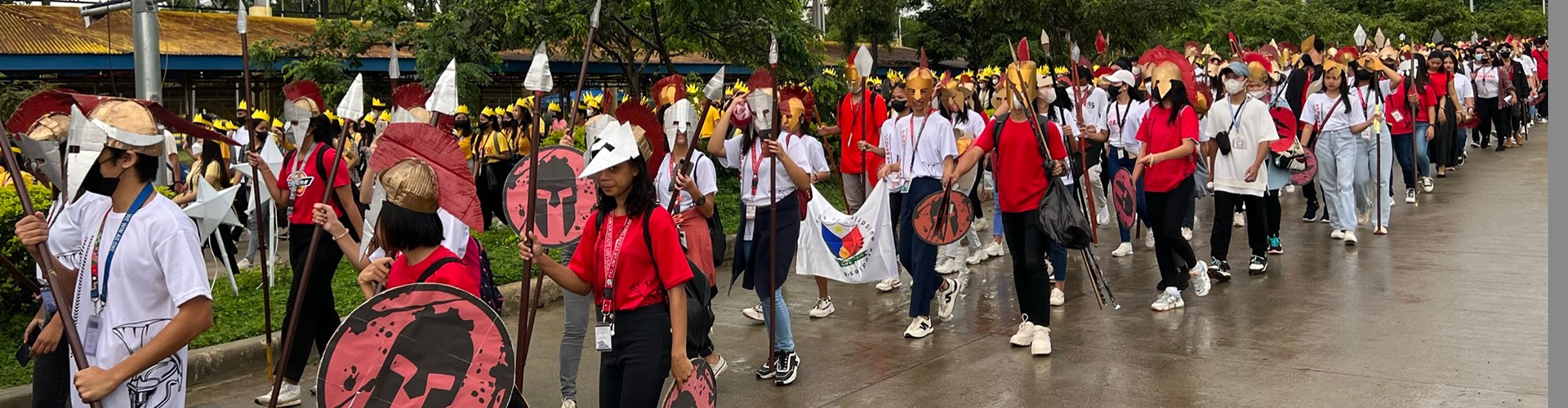


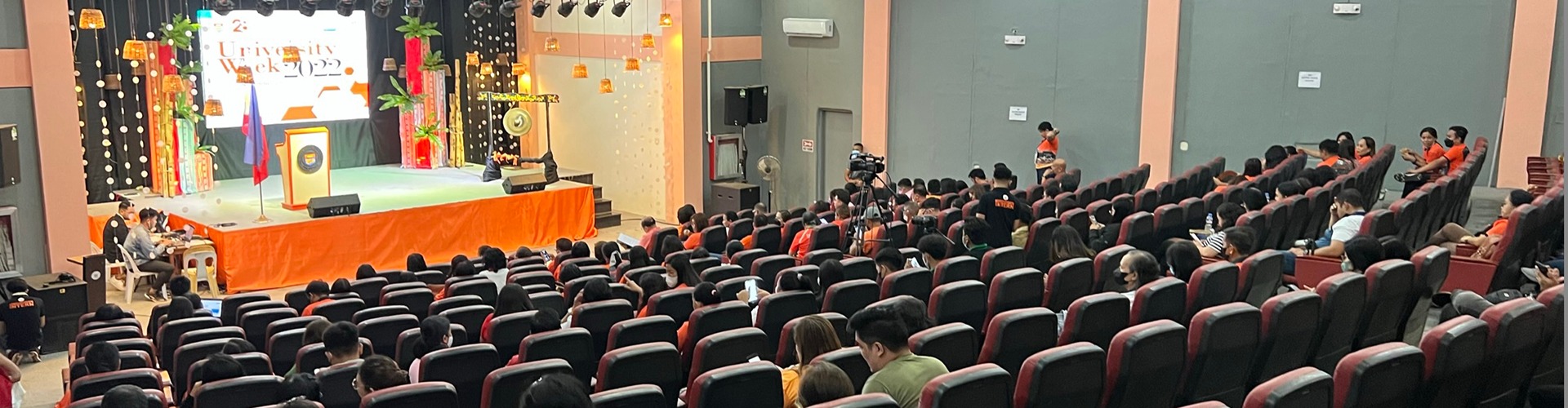
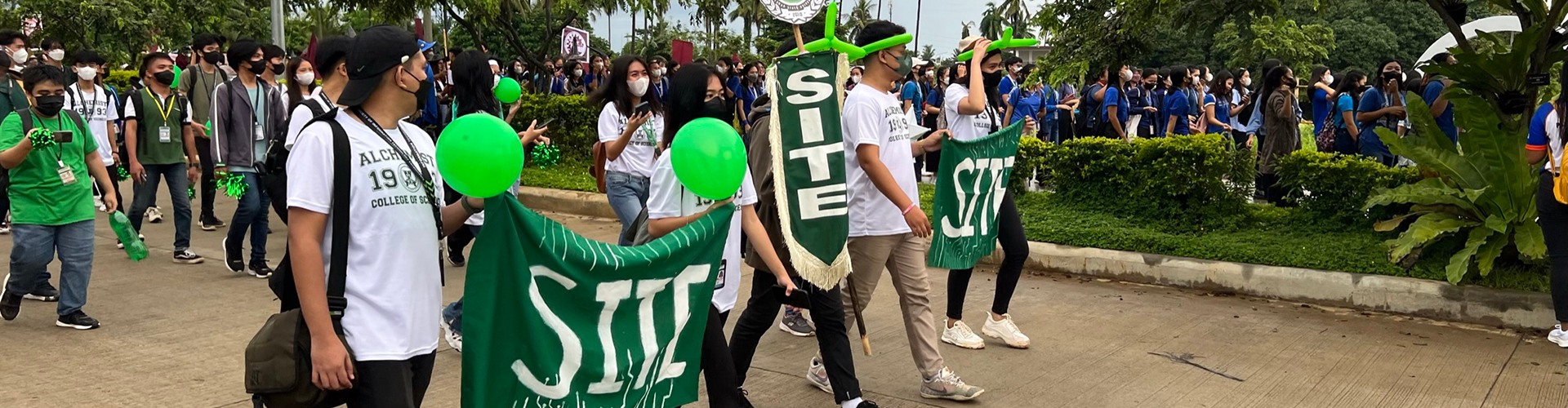
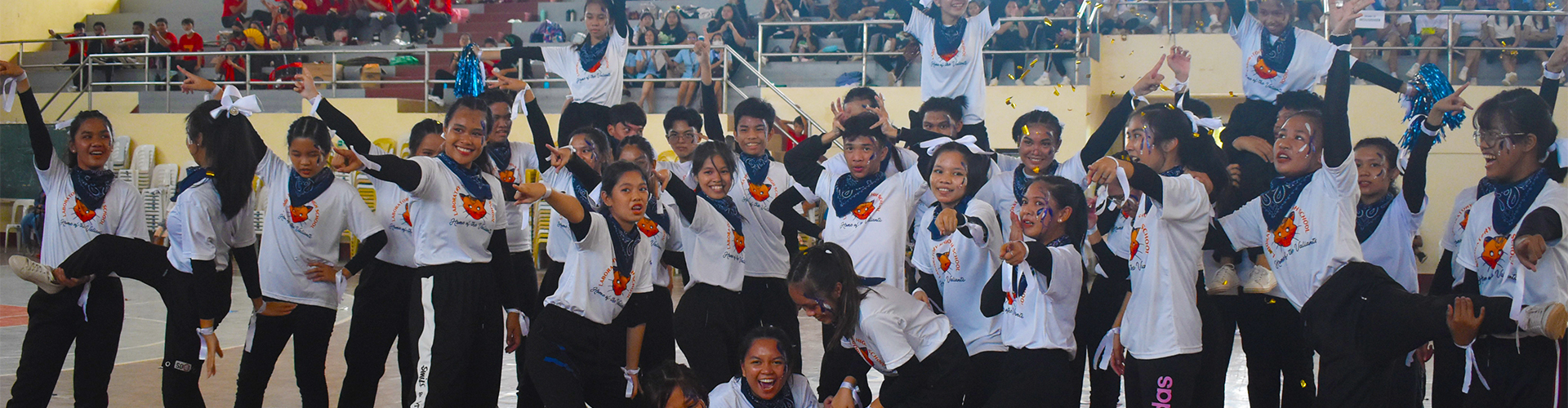
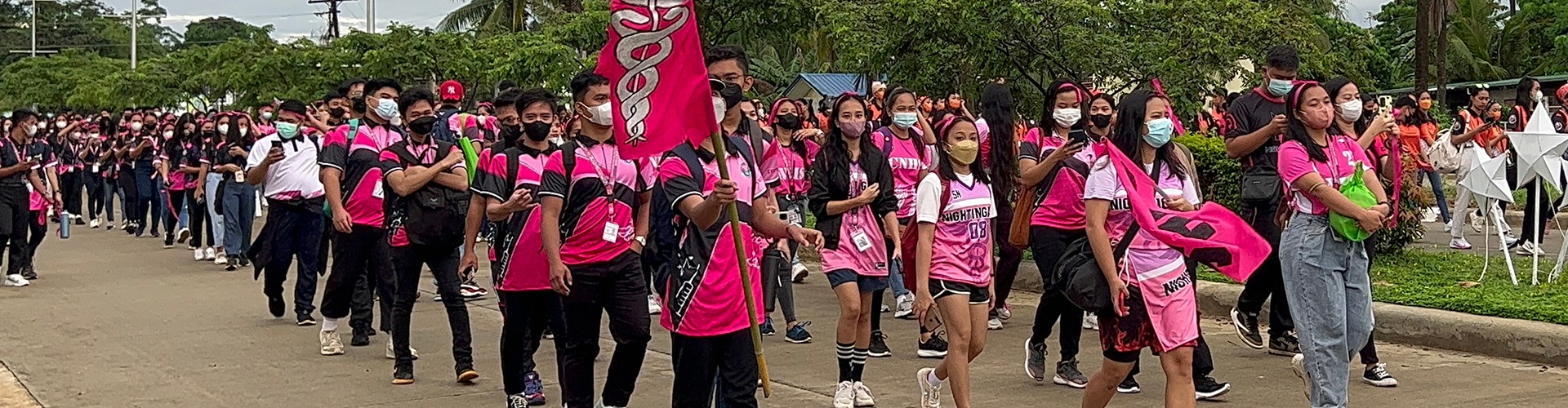
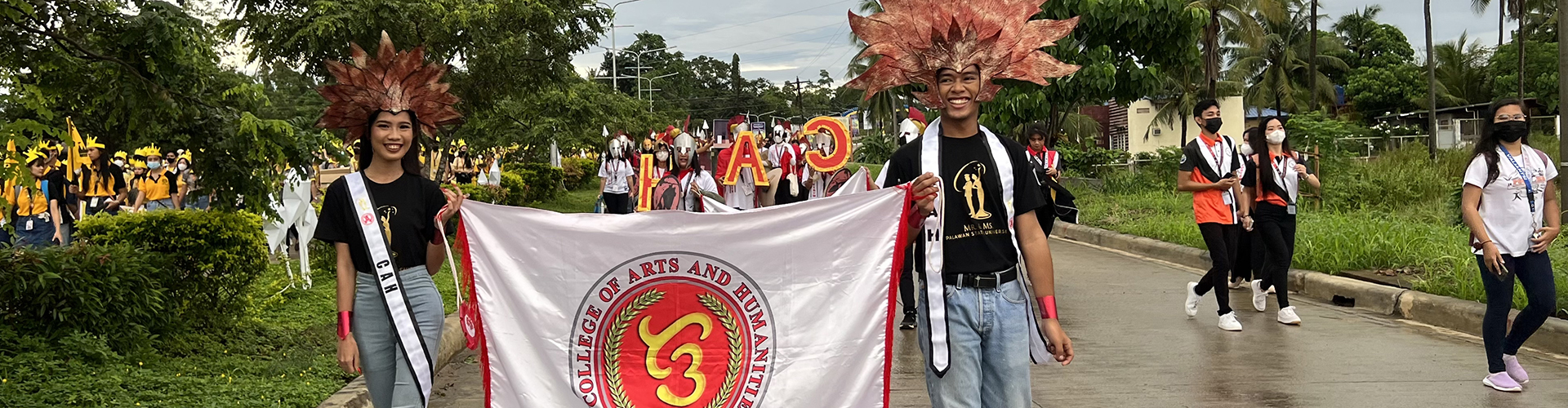
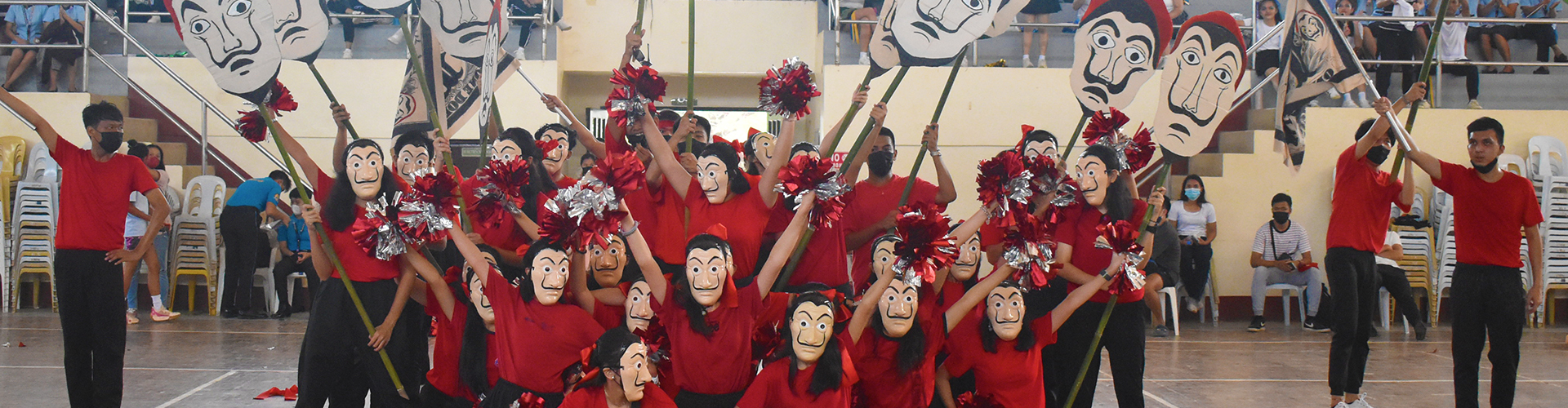
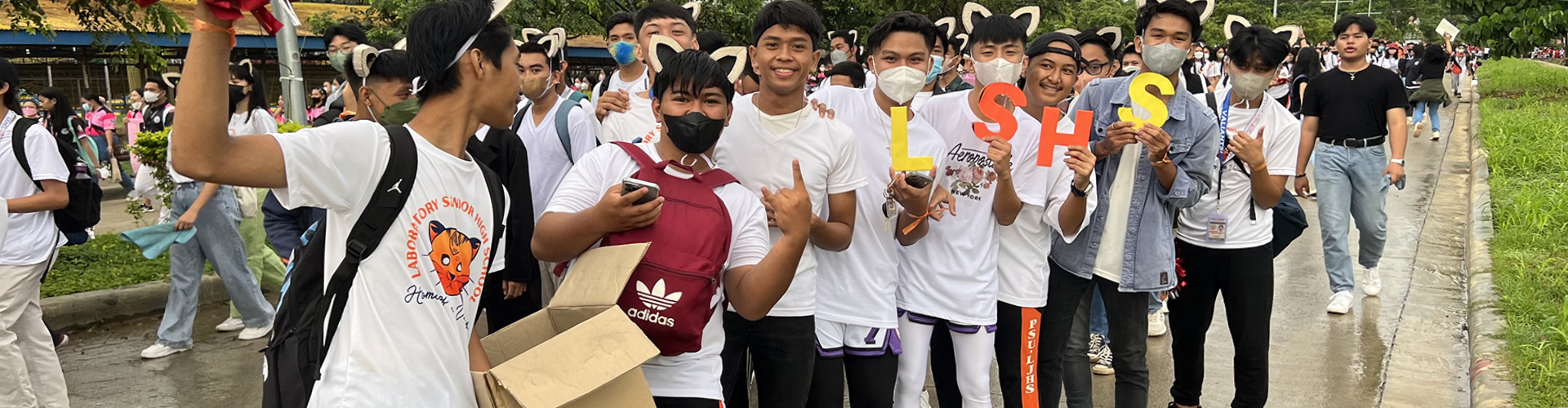
 The 3rd GCC International Research Conference on Global Citizenship Education (IRCON GCED 2026) officially opened on July 29, 2026, at the Palawan State University (PalawanSU) Main Campus in Puerto Princesa City. Running through July 31 under the theme “Academe as a Global Actor for Peace and Global Citizenship Education,” the three-day international gathering brought together academic leaders, local government officials, and international advocates clad in traditional Filipiniana, Barong, and local woven attire.
The conference opened with a doxology and national anthem led by the Palawan State University (PalawanSU) Singers. In his welcome address, Palawan State University President Dr. Venzon L. Limpiada extended a warm greeting to local officials, institutional partners, key speakers, and delegates, opening with a traditional Cuyuno greeting, “Mayad nga Temprano.” Setting a culturally sensitive tone, President Limpiada clarified the distinct pronunciations between “Palawan” (pah-LAH-wahn), the province, and “Palaw’an” (pa-law-an), the indigenous community. Grounded in the conference theme, he highlighted the pivotal role higher education institutions play as drivers of peace, sustainability, and international cooperation to empower learners as globally engaged citizens—a mission especially significant as PalawanSU serves as the designated Regional Hub for Global Citizenship Education in MIMAROPA Region. A key highlight of his address was the announcement of a Memorandum of Agreement (MOA) between Palawan State University and Philippine Normal University. This strategic partnership is designed to advance joint research, academic exchanges, and faculty and student development. Reinforcing PalawanSU’s commitment to “glocal” engagement and internationalization, President Limpiada emphasized that students and faculty must thrive in an interconnected world while remaining deeply rooted in their local cultural heritage.

Local support was further reaffirmed. Representing Puerto Princesa City Mayor Lucilo R. Bayron, City Councilor Hon. Victor Oliveros welcomed delegates to IRCON GCED 2026, expressing hopes for a fruitful gathering centered on global citizenship and sustainable development. Representing Palawan Governor Amy Roa Alvarez, Atty. Jeffrey Sahagun emphasized the province’s duty to preserve its natural heritage, stating, “Palawan is a paradise that we did not create, minana, so we do not have any right to waste.” He explained that environmental protection in Palawan is practical common sense, guided by the provincial Palawan Plus agenda and three core criteria: improving local lives, strengthening institutions, and ensuring 10- to 20-year long-term impact. Linking local action to global citizenship, Atty. Sahagun noted that “a university does not become global because it reaches the world; it becomes global because it refuses to ignore the community just outside its space,” underscoring that global relevance is defined by local responsibility and community upliftment.
The opening ceremony continued with institutional messages reinforcing regional and global alignment. Delivering a message on behalf of PNU President Dr. Bert J. Tuga, Vice President Dr. Leah Amor S. Cortez observed, “We have never been more connected than we are today, yet in many ways, we have never been more divided.” She emphasized that universities must go beyond creating knowledge to forming values, nurturing leaders, and shaping the future. Dr. Cortez highlighted the conference as a catalyst for action, stressing that real success is measured not by the papers presented, but by transformed classrooms, empowered communities, and positively changed lives. Dr. Rowena R. Hibanada, Director of GCC Philippines, highlighted that IRCON GCED 2026 unites scholars, policymakers, and practitioners to drive institutional transformation, climate action, peacebuilding, and social justice. She called for culturally responsive approaches to global citizenship tailored to Philippine and ASEAN contexts. Expressing gratitude to event partners, Dr. Hibanada concluded with a call to action: “The only way to learn is to keep challenging ourselves and keep moving forward.” Ms. Lindsay A. Barrientos, Deputy Executive Director of UNACOM, highlighted Palawan’s distinction as home to two UNESCO World Heritage Sites and a province-wide Biosphere Reserve. She praised State Universities and Colleges for their essential role in researching and preparing UNESCO nomination dossiers, as well as maintaining those designations once awarded. Ms. Barrientos extended a strategic challenge to PalawanSU President Dr. Limpiada to lead the exploration and nomination of Puerto Princesa City as an official UNESCO Learning City.
 Asia-Pacific Centre of Education for International Understanding (APCEIU) Director Dr. Kim Jong-Hun also conveyed support via a video message, after which GCC Philippines Deputy Director Prof. Carl O. Dellomos delivered the Statement of Purpose to outline the strategic goals of IRCON GCED 2026.
The morning program reached a significant milestone with the ceremonial signing of a Memorandum of Agreement (MOA) between Palawan State University and Philippine Normal University, establishing a strategic partnership to advance Global Citizenship Education (GCED). Executed by PalawanSU President Dr. Venzon L. Limpiada and PNU Vice President Dr. Leah Amor S. Cortez (representing President Dr. Bert J. Tuga), the agreement was witnessed by GCC Philippines Director Dr. Rowena R. Hibanada alongside key academic administrators from both universities. The formal signing was celebrated with a vibrant cultural performance by the PSU Sining Palawan Dance Troupe, setting an inspiring tone for the keynote addresses that followed.
The session concluded with two insightful keynote presentations exploring GCED through regional policy and data-driven lenses. Prof. Min Joung Park of the Korea National Diplomatic Academy delivered an address on “ASEAN Community Vision 2045 and the Role of Global Citizenship Education,” emphasizing that today’s fragmented geopolitical landscape makes embedding GCED into concrete regional frameworks essential for building ASEAN resilience. Following her session, Dr. Christopher M. Magno of Gannon University presented “Data Democracy: Reclaiming Data for Justice, Participation, and Global Citizenship.” Drawing from his concept of “criminal populism” and showcasing his GIS mapping project of extrajudicial killings in the Philippines, Dr. Magno demonstrated how democratizing data serves as a vital catalyst for social justice and civic empowerment. His presentation brought the opening morning session to a close, after which delegates adjourned for lunch ahead of the afternoon parallel presentations.


